
Schema Therapy : Understanding Different Parts of Self
Many people describe feeling like different parts of them show up at different times.
One part may long for connection and closeness.
Another part may want to withdraw and protect.
Another part may push hard to perform, please others, or stay in control.
At times these experiences can feel confusing or even contradictory.
You may find yourself wondering, “Why did I react like that?” or “Why do I keep repeating patterns even when I know they don’t help?”
In Schema Therapy, these experiences are understood as different parts of self, often referred to as schema modes.
These parts are not signs that something is wrong with you. They are ways your mind and nervous system learned to adapt to earlier life experiences.
Many of these parts developed to help you cope, survive, or stay connected in environments where important emotional needs were not consistently met.
Understanding these parts can bring a deep sense of relief.
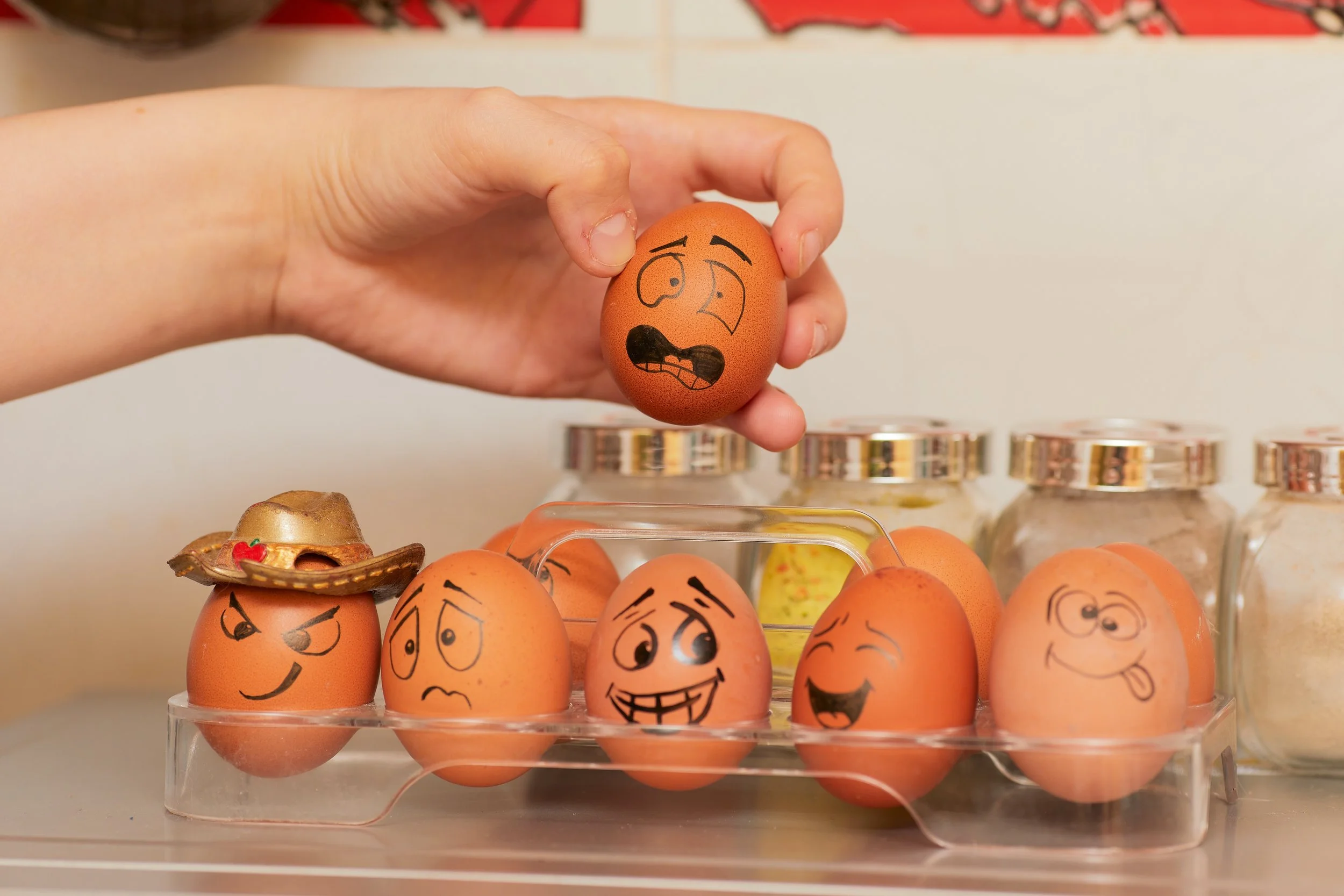
Why does one part of you want closeness while another pulls away?
Schema Therapy helps make sense of these inner shifts.
Why It Can Feel Like Different Parts of You Take Over
Many people notice that their reactions can feel automatic or surprising.
You may find yourself responding strongly in a moment and later wondering why the reaction felt so intense, or why a familiar pattern appeared again.
Through a Schema lens this is understood as different schema modes, or parts of self, becoming activated when something touches an emotionally sensitive place.
When this happens, the nervous system may quickly shift into a protective response - such as pleasing, withdrawing, becoming self-critical, or trying to stay in control.
Learning to recognise these patterns can help you begin to respond with greater awareness and choice.

When reactions feel automatic or surprisingly intense,
it may be a protective part of self stepping forward
Why Different Parts of Us Develop
As children we all have core emotional needs. These include feeling safe, loved, protected, understood, and supported to express our feelings.
When these needs are met consistently, children tend to develop a sense of security and confidence in themselves and in others.
When these needs are not met consistently, children naturally adapt in order to cope.
Some parts hold the feelings that were too overwhelming at the time.
Other parts work hard to protect us from feeling those emotions again.
Over time these adaptations can become familiar ways of responding to the world.

Many of our protective patterns began as ways of coping when important emotional needs were not met.
Child Parts Holding Emotional Experience
Some parts of self carry the emotional experiences of earlier life.
Happy / Contented Child
This part feels loved, safe, and connected because core emotional needs are being met. When this part is present you may feel confident, playful, hopeful, and able to receive care and appreciation from others.
Vulnerable Child
This part holds feelings of sadness, loneliness, fear, or not belonging. It may feel misunderstood, overwhelmed, or unsure who to trust, often longing for comfort, reassurance, and safety.
Angry Child
This part expresses anger in response to perceived injustice, frustration, mistreatment, or abandonment. While the feelings underneath may be valid, the reactions can sometimes feel intense or difficult to regulate.
Impulsive Child
This part struggles with limits and frustration. It may act quickly on impulses, becoming impatient or upset when things do not happen immediately or when boundaries are set.

Some parts of us carry the emotional experiences of earlier life - the feelings that were never fully understood, supported, or expressed.
Protective Parts
Many parts develop to protect the more vulnerable feelings underneath.
Compliant Surrenderer
Often experienced as the pleaser, this part goes along with what others want while putting your own needs aside. It may seek reassurance or approval, driven by fear of rejection, conflict, or abandonment.
You may like to read my poetic reflection “The Voice of the Pleaser.”
Detached Protector
This part protects you by disconnecting from painful feelings. You may notice emotional numbness, distance from others, or difficulty accessing or naming emotions.
Detached Self-Soother
This part turns to things outside of yourself to soothe or escape painful feelings. This may include food, substances, shopping, gambling, scrolling on the phone, sex, or other distractions.
Avoidant Protector
This part protects you by avoiding people, situations, or conversations that may bring emotional distress.
Angry Protector
This part uses anger as a wall of protection, keeping others at a distance. Anger may appear as hostility, passive aggression, sulking, or withdrawal.

Many protective parts developed to shield us from feelings that once felt too painful or overwhelming.
Other Protective Modes
Some protective parts attempt to maintain control or prevent vulnerability in different ways.
Bully Attack Mode
Attempts to gain control through intimidation or aggression. This may include raising your voice, interrupting, threatening, slamming doors, or using anger so that you cannot be ignored.
Self-Aggrandiser
This part presents as a puffed-up exterior or protective mask. It may appear as showing off, performing, or emphasising status and importance while keeping vulnerability hidden.
Perfectionist / Over-Controller
This part seeks safety through perfection and control. There may be strong internal pressure to do everything perfectly in order to avoid criticism.
You may like to read my poetic reflection “The Voice of the Over-Controller.”
Internal Critics
Some parts can feel like internalised parental voices.
Punitive Critic
This voice directs harsh criticism towards yourself, often creating feelings of shame or guilt. It may tell you that you are not good enough or that you have failed.
Demanding Critic
This voice pushes you towards impossibly high standards. Even when something goes well, there can be little space to acknowledge it before the next expectation appears.

Some parts of us speak through an inner critic, repeating harsh messages we have come to believe about ourselves.
The Role of the Healthy Adult in Schema Therapy
The aim of therapy is not to eliminate parts of ourselves.
Instead, the work involves strengthening the Healthy Adult part of self so it can guide how we respond to life.
Our adult self can offer compassion to vulnerable parts, set limits with protective parts, and help us make choices that support emotional wellbeing and healthy relationships.
Over time this allows different parts of self to be held with greater understanding and balance.
Rather than feeling controlled by old patterns, you can begin to respond with greater awareness, steadiness, and self-compassion.
Understanding Your Own Patterns
As you read through these descriptions, you may recognise some parts more strongly than others.
This is natural. Most people experience a range of different parts depending on the situation and emotional context.
In therapy we work gently to understand how these parts developed and what they have been trying to protect.
With time and support, it becomes possible to strengthen the Healthy Adult, allowing you to respond to life with greater compassion, flexibility, and emotional freedom.
References:
Stevens, Bruce.A., & Roediger, Eckhard (2017). Breaking Negative Relationship Patterns : A Schema Therapy Self-Help and Support Book
Learn more about Schema’s : Short videos : 7 minute Schemas with Ruth Holt and Rita Younan https://www.schematherapycanberra.com.au/7-minute-schemas