
Why Your Relationship Patterns keep Repeating
Understanding attachment and intergenerational trauma in relationships
You might find yourself thinking
Why do we keep having the same argument?
Why do I react so strongly to things that seem small?
Why does this relationship feel so important… and so hard?
What’s often happening in these moments isn’t just about the present.
It’s about the past - not just your own, but the patterns you’ve inherited.
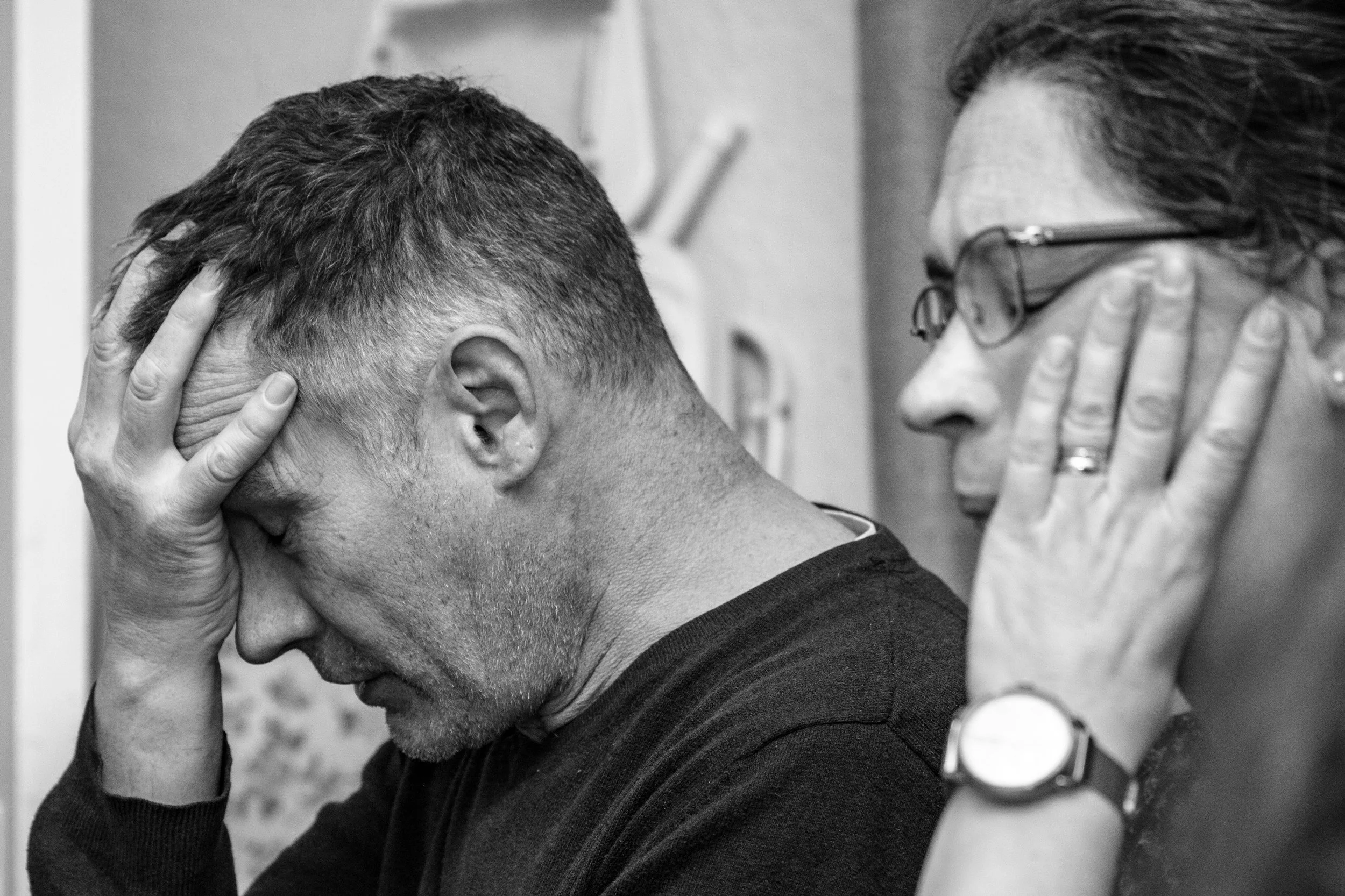
When something deeper is being touched
Moments that feel intense in relationships often carry more than the present.
We don’t enter relationships as blank slates
Each of us comes into a relationship shaped by our early experiences - what love looked like, how conflict was handled, and what we learned about closeness, safety, and trust.
Some people grew up with a sense that connection was steady and reliable.
Others experienced love as something that could disappear, something that had to be earned, or something that felt safer to avoid altogether.
These patterns are often shaped by what is known as intergenerational trauma - where ways of relating, coping, and seeking safety are passed down through families over time.
These experiences form what we call attachment patterns.
And they don’t stay in childhood.
They come alive, often quite powerfully, in adult relationships.

The way we learned to love doesn’t stay in the past.
Our early experiences of love and connection often become patterns we carry into relationships, shaping how we respond, connect and seek safety.
Why it can feel so reactive
In close relationships, especially romantic ones, something deeper gets activated.
You’re not just responding to your partner in the present moment. You’re also responding to emotional memory - to past experiences of hurt or disconnection, and to unspoken expectations about what relationships should feel like.
This is why reactions can feel fast, intense, and at times hard to control.
Not because you’re too much.
Not because your partner is the problem.
But because something meaningful is being touched.

When reactions feel bigger than the moment
The body responds not only to the present, but to what it remembers.
The role of relationship patterns across generations
Many of these responses are not just personal - they are shaped by what we’ve been exposed to over time.
Patterns can move quietly through families. Ways of relating - such as avoiding conflict, staying hyper-aware of others’ moods, struggling with boundaries, or feeling uncertain about trust are often learned early and carried forward.
Without realising it, we can find ourselves repeating aspects of what we grew up with, or reacting strongly against them. Even when we choose something different, familiar patterns can still emerge in the background.

Patterns that move through generations
What feels familiar in relationships is often something learned early and carried forward.
How this can show up in couples
You might notice a familiar dynamic between you.
One partner reaches for closeness, while the other pulls back. Conversations escalate quickly, or end in distance. There can be a sense of not quite feeling understood, or a lingering fear - of being left, or of being overwhelmed.
Underneath these experiences are often two nervous systems trying, in different ways, to find emotional safety.

When patterns play out between you
What can look like conflict is often two nervous systems trying, in different ways, to feel emotional safety.
The shift isn’t about blame - it’s about awareness
Understanding these patterns isn’t about blaming your past or analysing every detail of it.
It’s about recognising something important:
This reaction makes sense in the context of what I’ve lived.
From that place, something begins to soften.
And with awareness, new possibilities start to open.

From blame to understanding
When reactions are met with understanding, the nervous system can begin to soften.
What begins to change
As couples begin to recognise their relationship patterns, they often notice small but meaningful shifts.
Reactivity slows, even slightly. Activated nervous systems become more recognisable. Communication becomes a little more grounded, a little less driven by urgency.
Instead of reacting automatically, there is sometimes a pause - just enough space to respond differently.
When we begin to understand these patterns, including the role of intergenerational trauma, something can start to shift.

What begins to change
As awareness grows, the nervous system begins to find more space, allowing different responses to emerge.
You don’t have to keep repeating the same cycle
Change in relationships doesn’t come from willpower alone.
It comes through awareness, support, and the experience of something different - not just intellectually, but emotionally and physically.
This is the work of healing in relationship.
If this feels familiar
If you’re noticing these patterns in your relationship, you’re not alone.
There is a way to understand what’s happening beneath the surface, and to begin relating differently - both within yourself and with each other.
References:
Bowlby, John (1997). Attachment : Volume One of the Attachment and Loss Trilogy.
Poole Heller, Diane (PHD) (2019). The Power of Attachment. How to Create Deep and Lasting Relationships.
Learn more from Diane Poole Heller https://traumasolutions.com/blog/
Yehuda, Rachel & Lehrner, Amy (2018).Intergenerational transmission of trauma effects: putative role of epigenetic mechanisms World Psychiatry. Sep 7;17(3):243–257.