
Couples Therapy : A Schema Therapy Perspective
Many couples I work with say some version of:
“We keep having the same fight”.
“We understand it logically, but it still happens”.
“It escalates so quickly”.
Often, there’s a sense that something bigger is happening beneath the surface, even when neither person fully understands why.
Couples Therapy through the lens of schema’s - offers one way of making sense of these patterns.
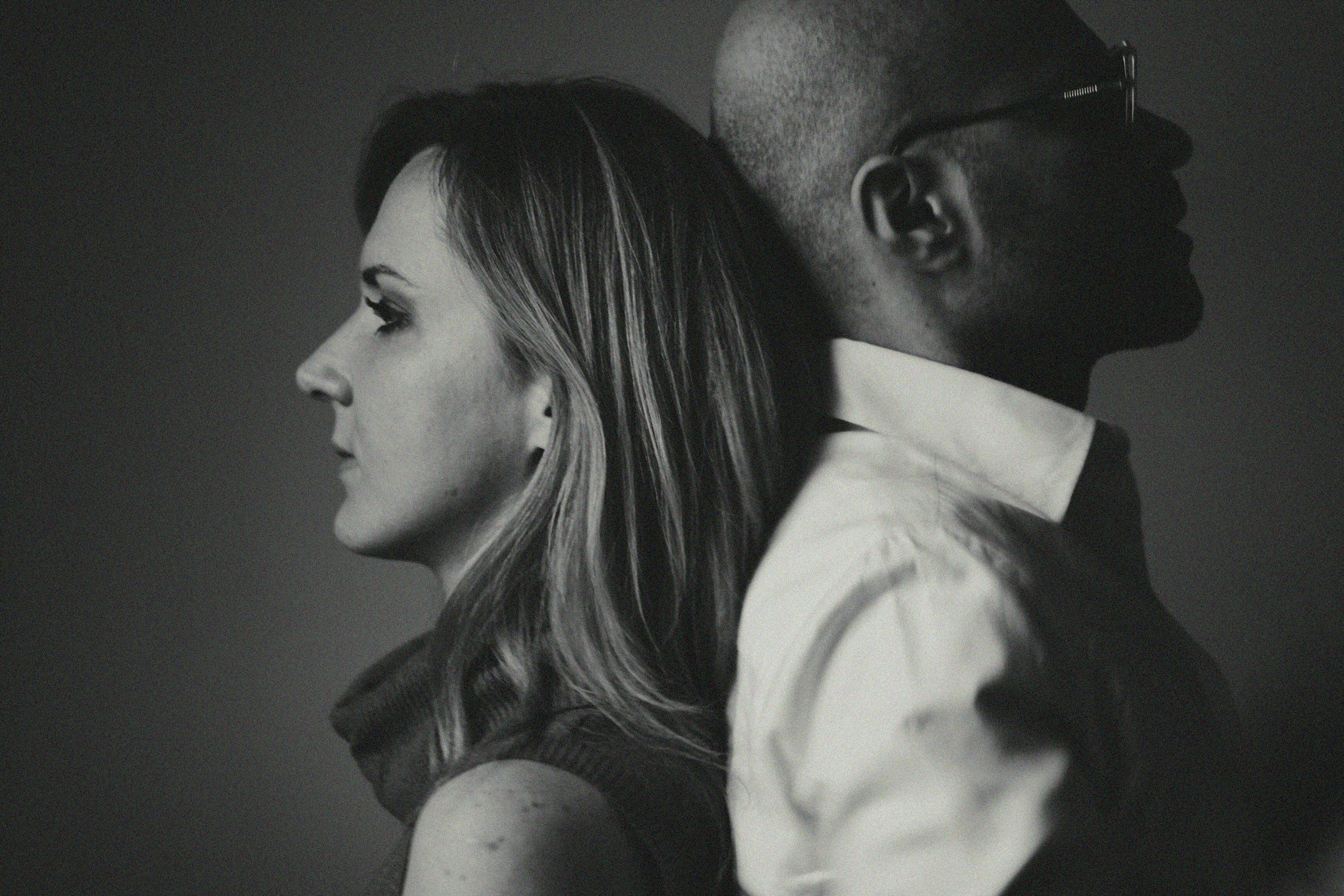
Sometimes the pattern is older than the moment itself
What happens between couples in the present can often be connected to emotional experiences and protective patterns formed much earlier in life.
What are schemas?
Schemas are deeply held emotional patterns that often begin forming early in life.
They can develop when important emotional needs aren’t consistently met - such as feeling safe, emotionally held, understood, valued, or able to express yourself freely.
Over time, these experiences begin shaping how we expect relationships to feel.
Many of these patterns sit outside of conscious awareness.
They can quietly influence how we experience closeness, conflict, reassurance, distance, criticism, or emotional connection - particularly within intimate relationships.

The way we learned to feel in relationships often continues long after childhood
Schemas can quietly shape how we experience closeness, conflict, emotional safety, and connection within our adult relationships.
Why they show up so strongly in couples.
Romantic relationships tend to activate these patterns more powerfully than almost anything else.
This is because relationships touch some of our deepest relational needs - connection, trust, belonging, emotional safety, being seen, being important to someone.
What happens between partners in the present moment is often connected to something much older underneath.
A small interaction can suddenly carry a much bigger emotional weight than either person expects.
One partner might say something relatively neutral, but the other experiences it through a different emotional lens. It may land as criticism, rejection, not feeling important, or not feeling understood.
And the body often responds before there’s time to think.
What’s happening in the present can suddenly feel much larger, older, and emotionally charged.

Sometimes the reaction is bigger than the moment itself
What happens between couples in the present can quickly become connected to deeper experiences of rejection, disconnection, fear, or not feeling emotionally safe.
How these patterns can begin to play out between you.
Often, when couples begin recognising these dynamics, there’s a moment of:
“That’s exactly what happens to us.”
One partner may become sharper, more insistent, trying to explain themselves or get their point across. The other might withdraw, shut down, or become quiet and distant.
Sometimes both partners escalate - talking over one another, trying to be heard, trying to defend themselves, or trying to protect something vulnerable underneath.
In these moments, each person is usually moving into a protective response without fully realising it.
On the surface, it can sound like:
“You never listen to me”.
“You’re overreacting.”
“I can’t do anything right.”
“I just need space.”
But underneath these reactions, something more vulnerable is often present:
“I don’t feel important.”
“I’m scared of losing you.”
“I don’t feel emotionally safe here.”
“I’m afraid I’ll get this wrong again.”
Often these cycles happen so quickly that neither person fully realises what’s unfolding underneath.
A moment of vulnerability is touched, the nervous system responds, and protective ways of coping begin to take over.
What one person does to protect themselves often unintentionally activates the other person’s pattern too - and the cycle continues between you.

Underneath many reactions is something more vulnerable trying to protect itself
What looks like criticism, withdrawal, defensiveness, or conflict on the surface is often connected to deeper fears of rejection, disconnection, hurt, or not feeling emotionally safe.
How I work with couples using a schema lens.
When we begin couples therapy, we’re not just talking about patterns - we’re slowing them down and beginning to understand what sits underneath them.
There isn’t one single approach. Instead, I draw on a combination of ways of working depending on what’s needed in the moment and what begins to emerge between you.
Often, this starts with creating enough emotional safety for something more vulnerable to come forward.
Beneath frustration, withdrawal, criticism, defensiveness, or emotional distance, there are usually parts of each person that feel hurt, unseen, alone, overwhelmed, or afraid of losing the relationship.
Part of the work involves helping these experiences become more visible - not so one person is blamed, but so each partner can begin to understand what is happening within themselves and within the relationship dynamic between you.
As schemas become clearer, we also begin recognising the protective parts of self that show up around them - the part that criticises, the part that shuts down, the part that pushes for reassurance, the part that becomes reactive, or the part that needs distance.
Rather than seeing these responses as “the problem,” we begin to understand them as attempts to cope, stay safe, or protect something more vulnerable underneath.
At times, we may use experiential approaches such as chair work, imagery, or dialogue between parts to help make these patterns more visible and emotionally accessible.
This can allow each partner to begin recognising not only what they are reacting to, but also what they are protecting.
At times, the work may also involve gently connecting with earlier emotional experiences or unmet needs that continue to shape how these patterns are experienced in the present.
The intention isn’t to stay in the past, but to allow something new to begin happening within the relationship now.

The work isn’t about blame - it’s about understanding what’s happening underneath the pattern
As couples begin slowing these cycles down, there is often more space to recognise the vulnerable experiences, protective responses, and unmet emotional needs sitting beneath the conflict.
Bringing it back into the relationship in couples therapy
As these internal shifts begin, they often start to show up between you as well.
Couples frequently notice they can recognise patterns sooner, understand each other more deeply, and respond with greater awareness and care.
It doesn’t mean there are no longer nervous system activations or difficult moments.
But the way you move through them can begin to change.
There is often more space, more understanding, and more ability to repair when disconnection happens.
The goal isn’t perfection
This work isn’t about never getting activated or never having conflict.
It’s about becoming more aware of the patterns that take over, understanding what sits underneath them, and learning how to move through them differently together.
Over time, many couples find they are able to repair more quickly, communicate more openly, and feel more connected within the relationship.

The pattern may still appear - but the way you move through it can begin to change
As couples develop greater awareness of what sits underneath these reactions, there is often more space for understanding, emotional safety, repair, and connection within the relationship.
If this feels familiar, you’re welcome to reach to explore how couples therapy may support you both……
References:
Stevens, Bruce.A., & Roediger, Eckhard (2017). Breaking Negative Relationship Patterns : A Schema Therapy Self-Help and Support Book
Simeone-DiFrancesco., Roediger, Eckhard., & Stevens, A., Bruce (2015) Schema Therapy with Couples: A Practitioner’s Guide to Healing Relationship
Young, E., Jeffrey, Klosko, S., Janet & Weishaar, E., Marjorie (2003). Schema Therapy : A Practitioners Guide.