
Bowen Theory : Understanding the Emotional System
Looking Beyond the Individual Story
Reflections on Bowen Family Systems Theory in Therapeutic Practice
Bowen Family Systems Theory invites us to move beyond seeing distress as belonging solely to the individual. Instead, it offers a way of understanding human experience within the emotional systems we are shaped by and continue to participate in throughout our lives.
From this perspective, symptoms are not always signs of pathology to be removed, but may reflect adaptive responses developed within relationships, family patterns, and environments of chronic anxiety, disconnection, or emotional uncertainty.
As therapists, this wider lens can soften the pull toward blame or over-identification. It invites us to hold greater curiosity about the emotional processes unfolding beneath what is immediately visible. Anxiety, people-pleasing, emotional shutdown, conflict, perfectionism, over-functioning, or relational distance may all carry echoes of the systems a person has learned to survive within.
Bowen’s work also gently reminds us that therapy itself exists within relationship. The therapist is not outside the system observing objectively, but participates within an emotional field that can evoke reactivity, urgency, rescuing, frustration, or withdrawal. Developing awareness of these dynamics can support us in remaining more grounded, thoughtful, and connected within complex therapeutic work.

Seeing Beyond the Symptom
Understanding distress within the emotional systems people have learned to survive within.
Staying Connected Without Losing Ourselves
A central aspect of Bowen’s theory is differentiation of self - the capacity to remain emotionally connected to others while also maintaining a clear sense of self.
In therapy, this can be reflected in our ability to stay present with strong emotional material without becoming overwhelmed by it. Rather than reacting automatically, fixing, distancing, or becoming fused with another person’s distress, differentiation invites a steadier and more reflective stance.
This process is not only relevant for clients. Therapists and supervisees are continually navigating their own emotional responses within the work. Certain clients, presentations, or relational dynamics may unconsciously pull us toward over-responsibility, rescuing, self-doubt, emotional withdrawal, or alignment with one part of a system over another.
Bowen’s framework can help us notice these moments with greater compassion and awareness. In supervision and EMDR consultation, these reflections often deepen our understanding of both the client’s emotional world and our own therapeutic responses.

The Balance Between Connection and Clarity
Bowen reminds us that therapeutic presence does not require emotional fusion or over-responsibility.
When Anxiety Moves Through Relationships
Bowen described anxiety as something that moves through relational systems rather than belonging to one individual alone. Often, this can be seen in triangulation, where tension between two people becomes redirected through a third relationship.
In therapy, we may notice this when a child becomes the identified “problem,” when one partner is positioned as the emotionally reactive one while another withdraws, or when therapists feel subtly pulled to take sides within relational dynamics.
Holding a systemic perspective can support therapists in remaining aligned without becoming allied. Rather than locating the problem within one person, we begin to consider how emotional processes are circulating through the wider system.
This shift can reduce blame and create space for deeper understanding, particularly when working with couples, attachment injuries, and family trauma.
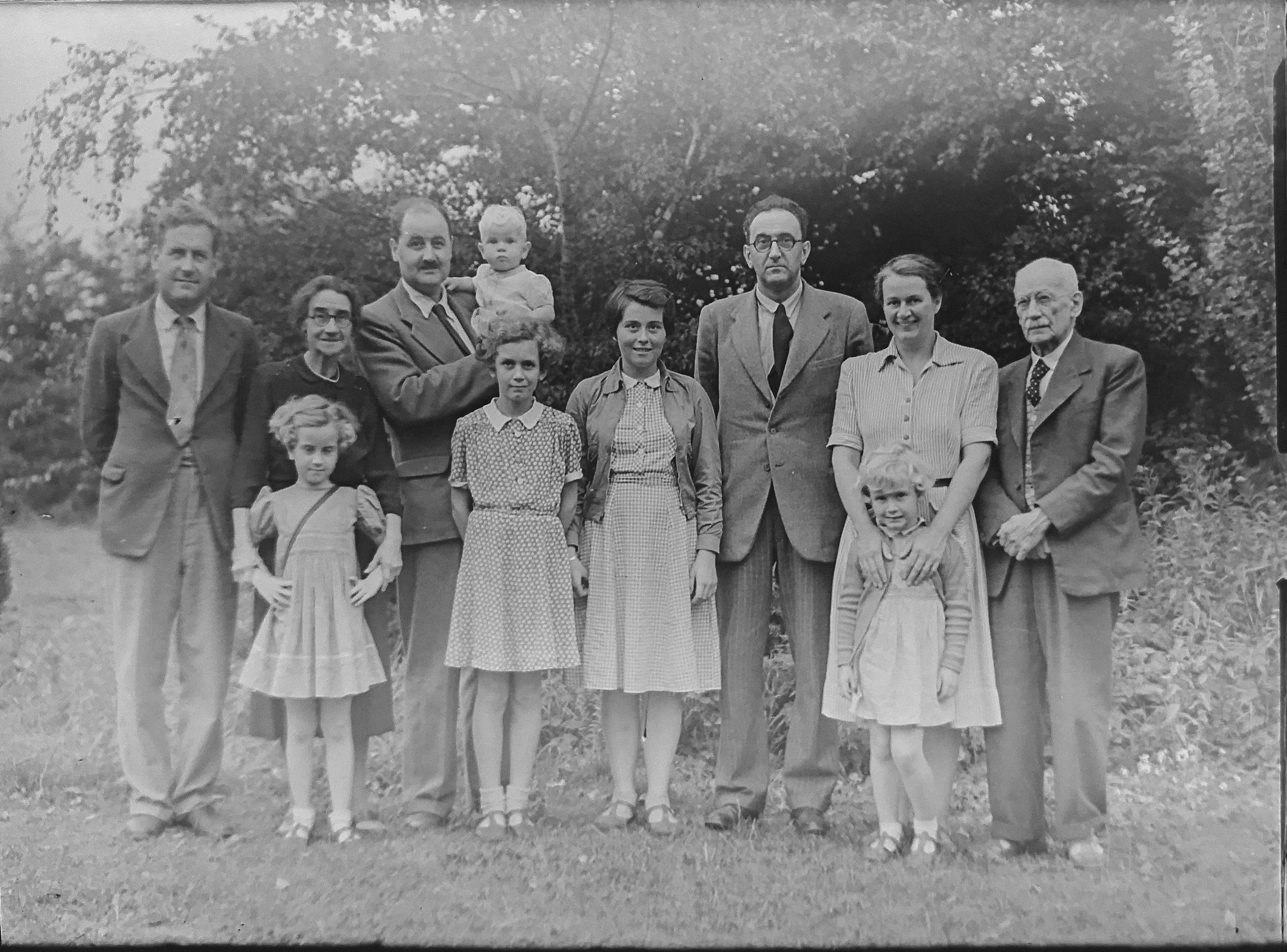
Holding the Whole Relational Field in Mind
Therapeutic work deepens when we move beyond blame and begin to notice the wider emotional system.
What Gets Carried Across Generations
One of the most powerful aspects of Bowen’s theory is its recognition that emotional patterns often travel across generations.
Beliefs about worth, responsibility, closeness, conflict, safety, emotional expression, and belonging are rarely formed in isolation. Many clients carry inherited relational patterns shaped long before they were born.
Within EMDR therapy, this awareness can deepen case conceptualisation and target selection. A present-day trigger may connect not only to a specific memory, but to longstanding intergenerational themes of abandonment, emotional suppression, parentification, shame, loyalty, or fear.
At times, clients may also carry the emotional residue of what was never spoken, repaired, or grieved within previous generations. Bowen’s work encourages us to listen for these quieter legacies within the therapy room.
Distance Does Not Always Resolve Pain
Bowen also wrote about emotional cutoff - the ways people create emotional or physical distance from family relationships in an attempt to manage unresolved pain or anxiety.
While distance can sometimes be protective or necessary, unresolved emotional processes often continue internally even when contact has ended. The nervous system may still remain organised around anticipation, fear, guilt, longing, or emotional vigilance.
In therapy, this invites a gentle exploration of what remains emotionally unfinished beneath the cutoff itself. The goal is not forced reconciliation, but greater awareness, integration, and freedom within the client’s internal world.

Exploring What Feels Emotionally Unfinished
Therapeutic work invites greater awareness and integration rather than forced reconciliation or avoidance.
Holding a Wider Lens in Therapeutic Work
Bowen Systems Theory offers therapists a way of holding human experience with greater spaciousness and complexity.
Whether we are working with individuals, couples, trauma, attachment wounds, or EMDR processing, this lens can help us remain curious about the larger emotional systems shaping our clients’ lives.
Rather than reducing distress to symptoms alone, we begin to ask wider questions:
What patterns are being repeated?
What anxieties are being carried?
What roles were learned in relationship?
What remains unresolved across generations?
How might the therapist also be participating within this emotional field?
These reflections can deepen therapeutic presence, strengthen clinical formulation, and support a more compassionate understanding of both our clients and ourselves as therapists.
For clinicians engaged in EMDR consultation or clinical supervision, Bowen’s work can offer a valuable framework for holding complexity without losing connection, clarity, or relational depth.
References:
Bowen, M. (1978). Family Therapy in Clinical Practice. Jason Aronson
Kerr, M. E., & Bowen, M. (1988). Family Evaluation: An Approach Based on Bowen Theory. W. W. Norton & Company.
Nichols, M. P. (2020). Family Therapy: Concepts and Methods (12th ed.). Pearson.